


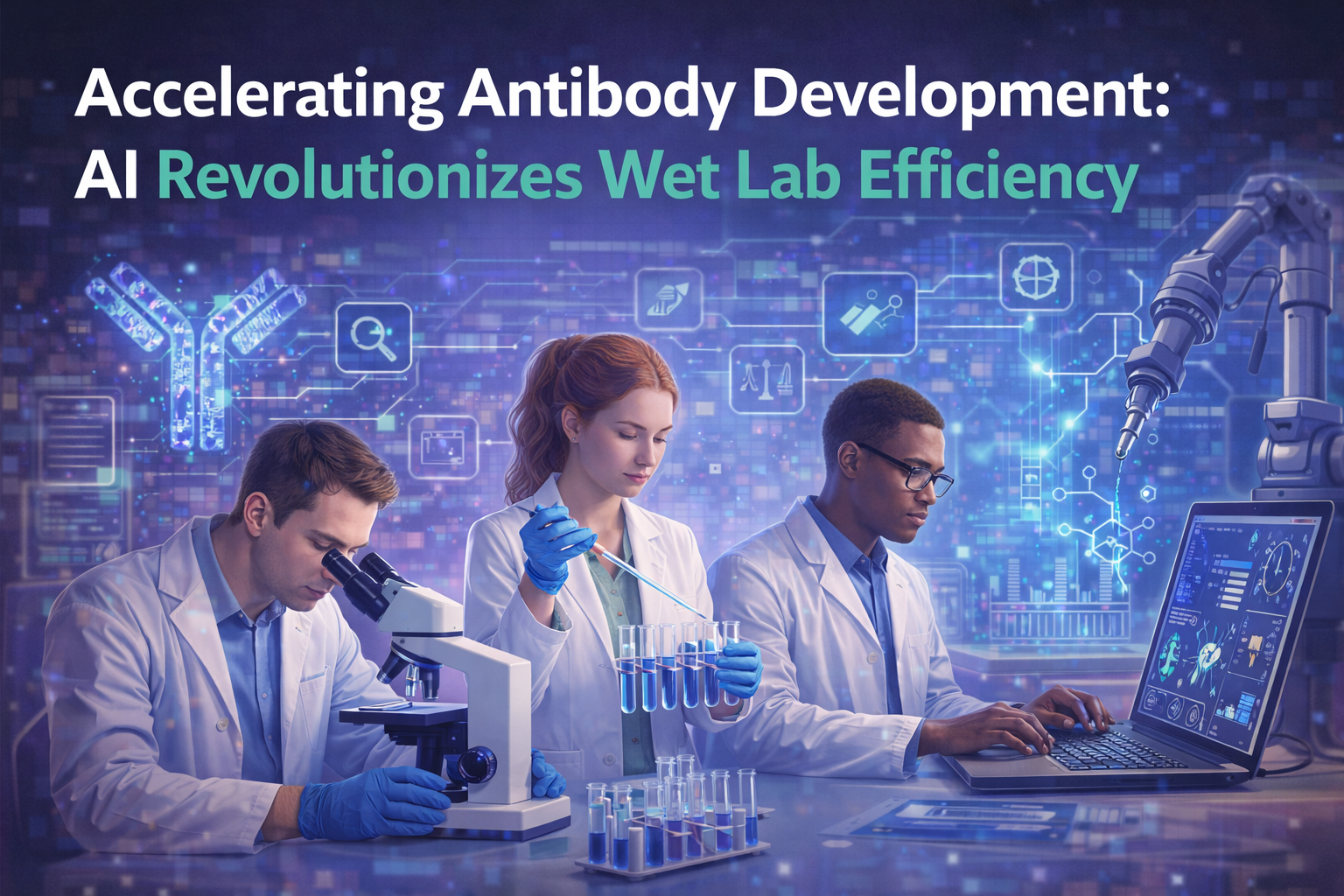
Accelerating Antibody Development: AI Revolutionizes Wet Lab Efficiency
The landscape of biomedical research is transforming rapidly, thanks in large part to the implementation of artificial intelligence (AI) in various stages of antibody development. This ongoing revolution is enhancing wet lab efficiency and expediting the process of bringing effective therapeutics to market.
The Role of AI in Antibody Development
In traditional research settings, the development of antibodies could take months, if not years, to identify candidates with the desired specificity and affinity. However, AI technologies are streamlining this process through:
- Data Analysis: AI algorithms can process vast amounts of data from previous experiments, aiding in the identification of promising antibody candidates.
- Predictive Modeling: By using machine learning models, researchers can predict how antibodies will interact with target antigens, significantly reducing the time needed for initial screening.
- Optimization: AI tools can suggest modifications to antibody sequences that might enhance their effectiveness and stability.
Benefits of AI-Driven Approaches
The integration of AI into wet lab practices yields numerous benefits, including:
- Increased Throughput: Automation and AI allow for higher throughput screening of antibody candidates.
- Cost Efficiency: Reducing time and resources spent on trial-and-error processes leads to lower overall costs in antibody development.
- Enhanced Success Rates: AI enhances the likelihood of selecting successful antibody candidates early in the development stage.
AI Technologies Leading the Charge
Several AI technologies are at the forefront of transforming antibody development, including:
- Deep Learning: This advanced form of machine learning can analyze structural information about proteins, helping to assess potential antibody-antigen interactions.
- Natural Language Processing (NLP): NLP tools can comb through millions of research papers and databases to extract relevant information, keeping scientists updated with the latest findings.
- Generative Adversarial Networks (GANs): GANs can generate novel antibody sequences that may not have been considered through traditional methods.
Case Studies Highlighting Success
Several biotechnology firms and research institutions have already begun to harness the power of AI with remarkable outcomes:
- Company X: Utilized AI-driven models to identify a promising antibody candidate in just two months instead of the typical year-long process.
- University Y: Employed deep learning techniques to enhance the specificity of existing antibodies, leading to a more effective therapeutic.
- Startup Z: Developed an AI platform that predicts antibody efficacy before laboratory testing, allowing for a more targeted and efficient development strategy.
The Future of Antibody Development
The potential of AI in accelerating the antibody development process is immense and continues to expand as technology evolves. Future innovations may enable:
- Real-Time Monitoring: AI could facilitate the real-time tracking of experiments, providing immediate insights and adaptations.
- Personalized Medicine: Machine learning algorithms may pave the way for highly personalized antibody therapies tailored to individual patient needs.
- Collaborative AI Systems: Enhanced collaborations between AI and human researchers could foster new methodologies in antibody discovery.
Conclusion
In summary, the integration of AI into wet lab practices is revolutionizing antibody development, enhancing efficiency, reducing costs, and increasing the probability of success. As technology continues to advance, the future of antibody discovery looks promising, with the potential for breakthroughs that could significantly improve patient outcomes across various therapeutic areas.
By embracing these innovative approaches, researchers are not only accelerating their workflows but also setting the stage for a new era in biomedical research. As we continue down this path, the collaboration between AI and human ingenuity will be vital in achieving unprecedented success in drug development and healthcare solutions.




Leave a Reply