

Student AI Bill of Rights Introduced by Consumer Protection Group
In a groundbreaking move aimed at safeguarding students’ interests in the digital age, a consumer protection group has introduced the Student AI Bill of Rights. This initiative highlights the importance of establishing clear guidelines and protections for students who utilize artificial intelligence tools in their education.
What is the Student AI Bill of Rights?
The Student AI Bill of Rights is a framework designed to protect students from potential misuse of AI technologies while promoting responsible use. It seeks to ensure that students benefit from artificial intelligence’s educational possibilities without compromising their privacy or security.
Key Provisions of the Bill
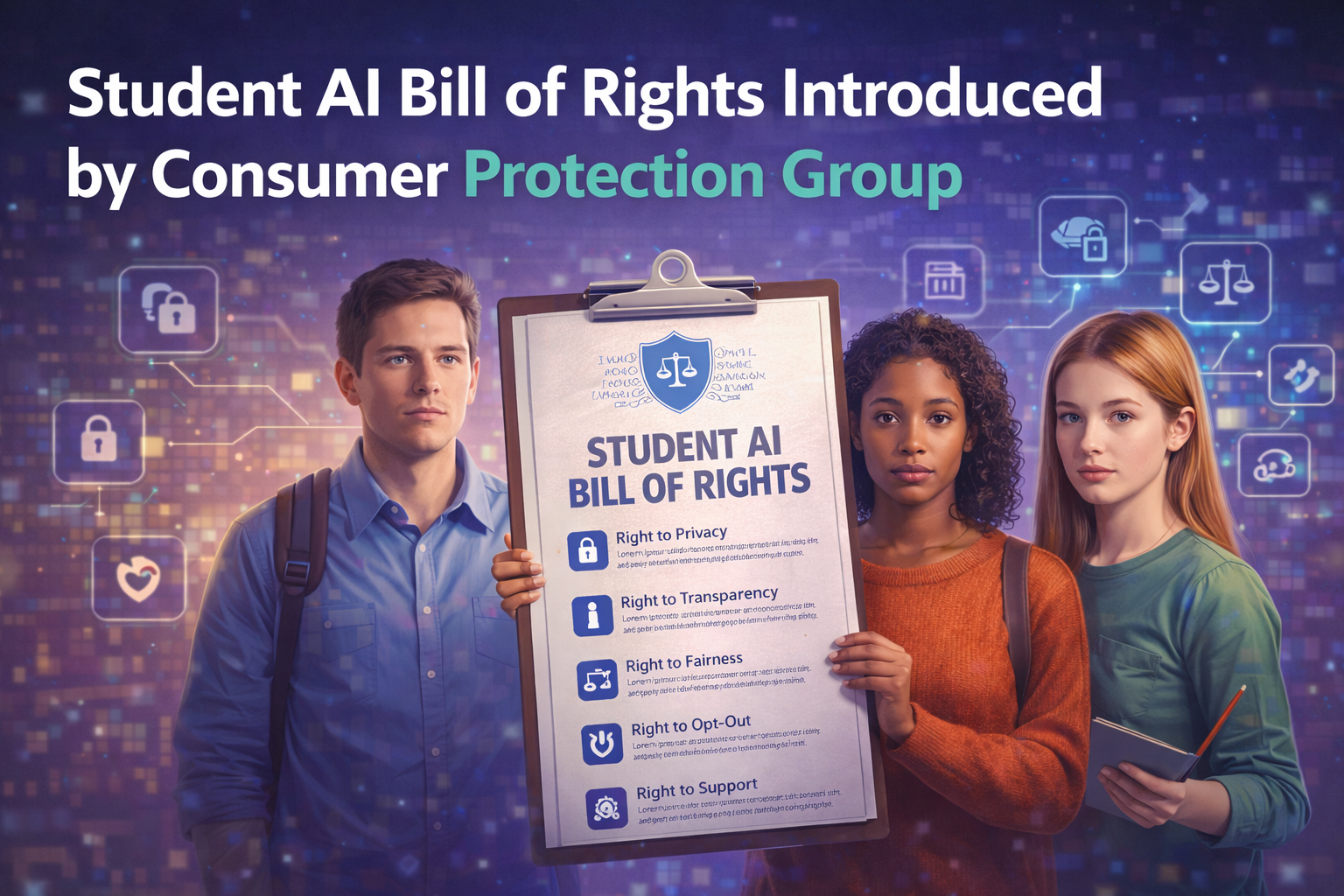
- Right to Privacy: Students should have control over their personal data and how it is used by AI applications.
- Right to Transparency: Educational institutions must provide clear information about how AI systems make decisions affecting students.
- Right to Fairness: AI algorithms should be designed to be unbiased and equitable, providing equal opportunities for all students.
- Right to Opt-Out: Students should have the option to refuse the use of AI tools without penalty.
- Right to Support: Access to educational resources and personnel who can assist students in understanding and utilizing AI effectively.
Why is This Bill Necessary?
The rapid integration of artificial intelligence in educational settings has raised several concerns among parents, educators, and policymakers alike. Here are some of the reasons why the Student AI Bill of Rights is deemed essential:
- Data Privacy Concerns: With the increasing collection of student data by AI programs, there is a growing fear about how this data is stored, used, and shared.
- Algorithmic Bias: Numerous studies have shown that AI algorithms can perpetuate existing biases, leading to unfair treatment of certain groups of students.
- Informed Decision-Making: Without transparency in AI decision-making processes, students may not fully understand the implications of using these tools.
- Empowering Students: The bill empowers students by providing them with rights that can help them navigate the complexities of AI in education.
Potential Impacts of the Bill
Should the Student AI Bill of Rights be adopted widely, its impacts could resonate throughout the educational landscape:
- Enhanced Trust: Establishing clear rights could build trust between students and educational institutions regarding AI usage.
- Accountability for Developers: Developers of AI tools would be held accountable for creating transparent and fair technologies.
- Improved Learning Environments: Safe and ethical AI applications can enhance student learning experiences and outcomes.
Challenges Ahead
While the introduction of the Student AI Bill of Rights is a step in the right direction, there are several challenges that lie ahead:
- Implementation: Ensuring that educational institutions comply with the new regulations may require significant effort and resources.
- Widespread Adoption: The bill needs endorsement from various stakeholders, including educators, parents, and technology developers.
- Technological Adaptation: As AI technology continues to evolve, the bill must adapt to address new challenges and scenarios perpetually.
Conclusion
The introduction of the Student AI Bill of Rights represents a pivotal moment in the intersection of education and technology. By prioritizing student rights and ethical considerations in AI usage, this initiative aims to create a safer, more equitable environment for learners in an increasingly digital world. As discussions continue, it is imperative for all stakeholders to engage, ensuring that the future of education remains bright and inclusive.





Leave a Reply