


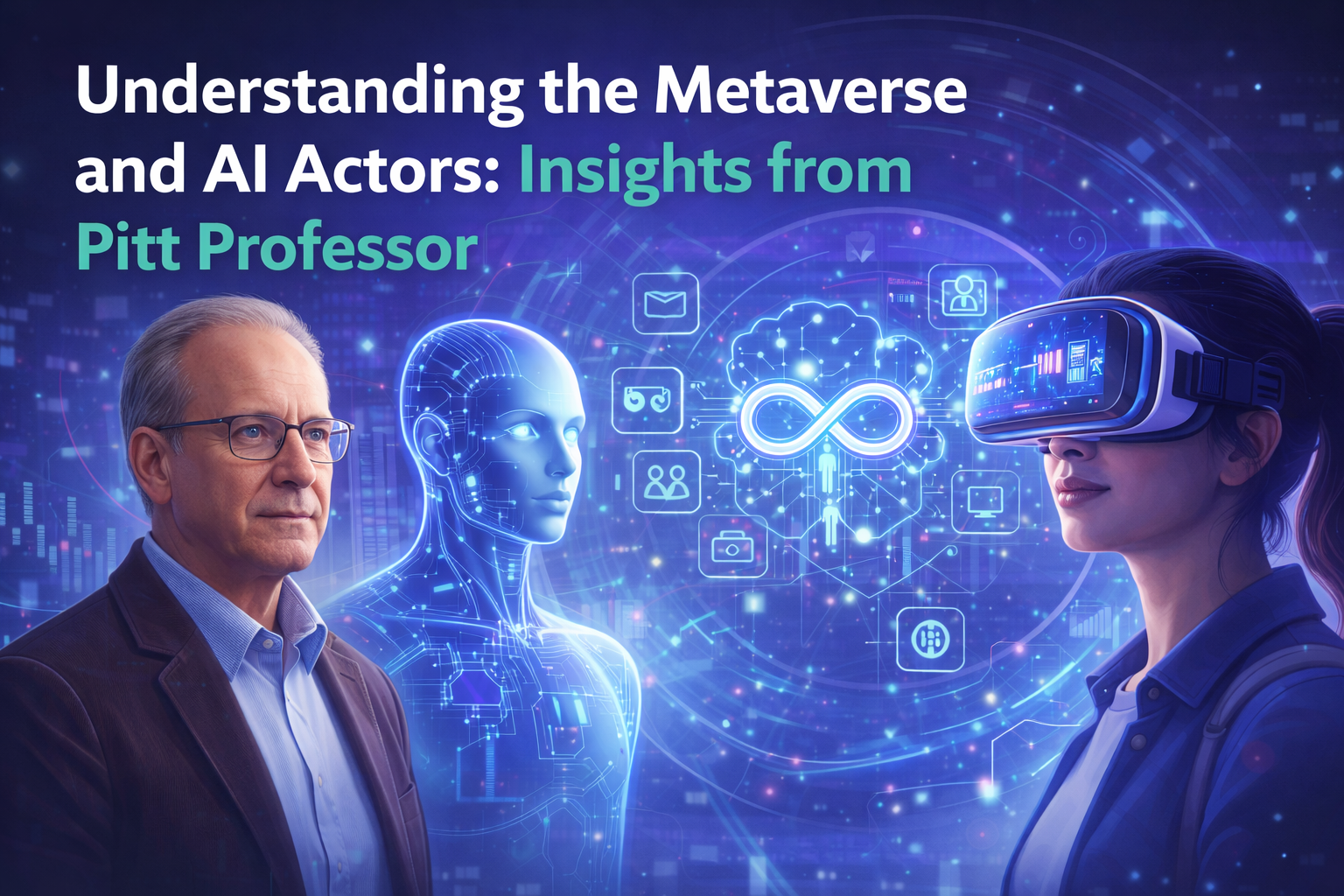
Understanding the Metaverse and AI Actors: Insights from Pitt Professor
The Rise of the Metaverse
As technology continues to evolve, the concept of the Metaverse has emerged as a groundbreaking frontier that combines virtual reality, augmented reality, and digital interactions. This immersive space allows users to engage with digital environments and each other in ways that were previously unimaginable.
What is the Metaverse?
The Metaverse is a collective virtual shared space that is created by the convergence of virtually enhanced physical reality and persistent virtual reality. Essentially, it encompasses:
- Digital Worlds: Vast environments where users can explore, socialize, and create.
- Interactivity: Real-time interactions between users and digital spaces.
- Persistence: A continuous and evolving world that holds changes over time.
The Role of AI Actors
Within the Metaverse, AI actors play a pivotal role, enhancing user experiences and bringing environments to life. These virtual entities are powered by sophisticated algorithms and machine learning processes, allowing them to:
- Engage with Users: AI actors can interact in natural language, responding to user inputs and facilitating communication.
- Adapt and Learn: They can analyze user behaviors and preferences to provide personalized responses and recommendations.
- Enhance Realism: AI actors contribute to the complexity of the environment, making interactions feel more authentic and relatable.
Insights from a Pitt Professor
According to a recent interview with a prominent professor from the University of Pittsburgh, the integration of AI in the Metaverse is not just a technological advancement; it represents a significant cultural shift. The professor highlighted several key points:
- The Ethical Implications: With the rise of AI actors comes the responsibility to consider ethical guidelines, ensuring that digital interactions remain safe and respectful.
- The Future of Communication: AI actors could reshape how we communicate, potentially diminishing the need for traditional forms of interaction.
- Potential for Education and Training: The Metaverse, powered by AI, offers innovative spaces for educational purposes, allowing for immersive learning experiences.
Challenges Ahead
Despite the exciting potential of the Metaverse and AI actors, several challenges must be addressed to ensure their positive development:
- Privacy Concerns: The collection and use of personal data raise significant privacy issues that must be managed.
- Digital Inequality: There is a risk of creating divides based on who has access to the technology required to engage with the Metaverse.
- Technological Dependence: Over-reliance on AI actors could lead to reduced face-to-face interactions and social skills.
The Path Forward
Moving forward, it will be essential to strike a balance between embracing the advancements offered by the Metaverse and AI actors while ensuring mindful, ethical, and equitable implementation. Scholars, technologists, and users must collaborate to create guidelines and frameworks that promote positive outcomes within virtual spaces.
Conclusion
The insights from the Pitt professor shed light on the intricate relationship between the Metaverse and AI actors. As we navigate this uncharted territory, informed dialogue and proactive measures will be crucial in shaping a Metaverse that enhances, rather than diminishes, our reality.




Leave a Reply